 Law & Politics · Gaza
Why Can Ordinary People Massacre and Still Feel Righteous?
Read insight →
A Venice prize-winning documentary on Israeli targeting has reached Indonesian cinemas. Its most uncomfortable evidence is not a death toll but the vocabulary that lets ordinary men keep working.
October 2026 · Ummanitarian Insight
 Law & Politics · Gaza
Fifteen NAZA: A Documentary Puts a Number on the Civilians an Airstrike Is Expected to Kill
Read insight →
The Venice prize-winning film on Israeli targeting systems reached Indonesian cinemas on 16 October. Its subject is a single field in a targeting workflow: the number of civilians an attack is expected to kill.
October 2026 · Ummanitarian Insight
 Capacity & Resources · Geneva, Switzerland
Twelve Months, No Tuition: Geneva Opens Its Health Diplomacy Programme to Applicants Outside Switzerland
Read insight →
The Global Health Centre in Geneva is accepting applications until 8 November 2026 for a tuition-free, twelve-month programme. Travel, visas and release time remain with the participant.
October 2026 · Ummanitarian Insight
 Law & Politics · Ta’iz, Yemen
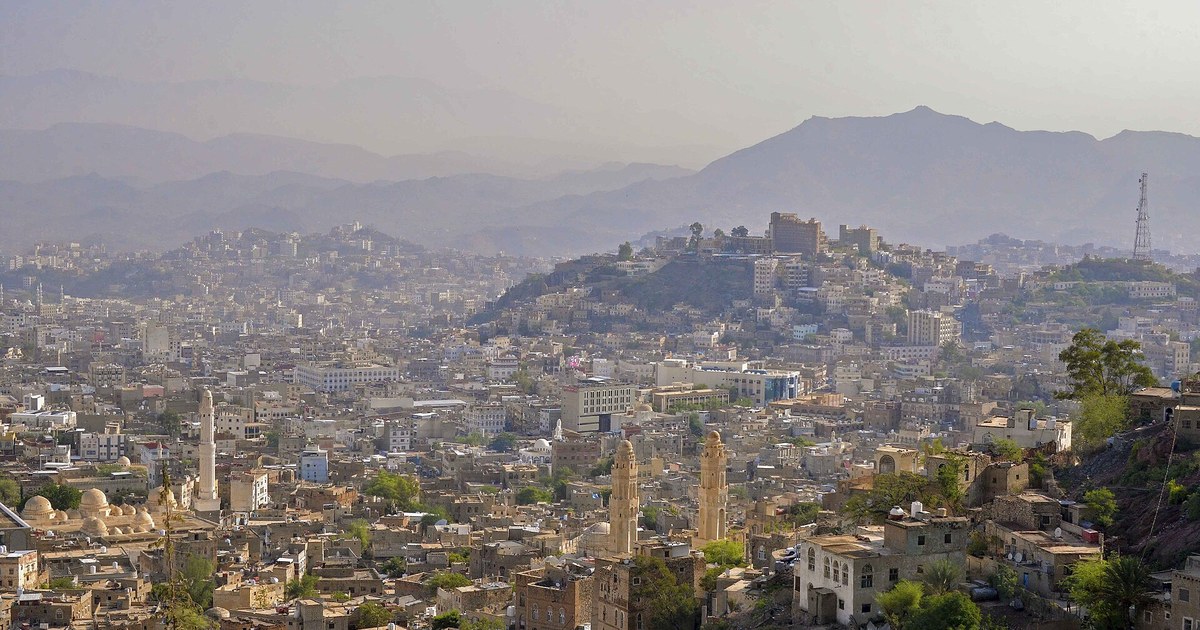
Seven Killed, Forty Wounded, Two Accounts: Yemen’s Market Strike and the Verification Gap
Read insight →
A strike on shops at a market in Yemen’s Ta’iz province killed seven people and wounded forty, according to health authorities in Sanaa. The government in Aden described the same event differently, and no independent verification has been published.
October 2026 · Ummanitarian Insight
 Capacity & Resources · Indonesia
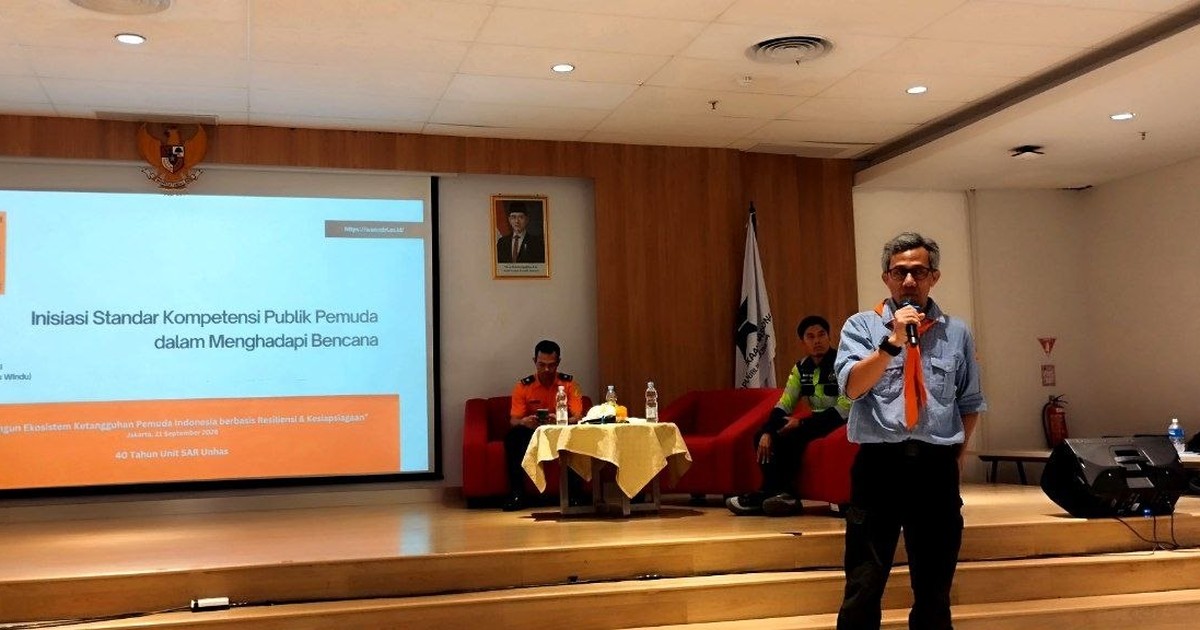
Seventy-Seven Operations, Forty Years: What Student-Led Disaster Response Looks Like in Indonesia
Read insight →
From a 1987 mountain rescue to searching for a downed airliner in 2026, Search and Rescue Universitas Hasanuddin has run at least 77 recorded operations across four decades, a case study in sustained community-based disaster response.
September 2026 · Ummanitarian Insight
 Health & Displacement · Indonesia
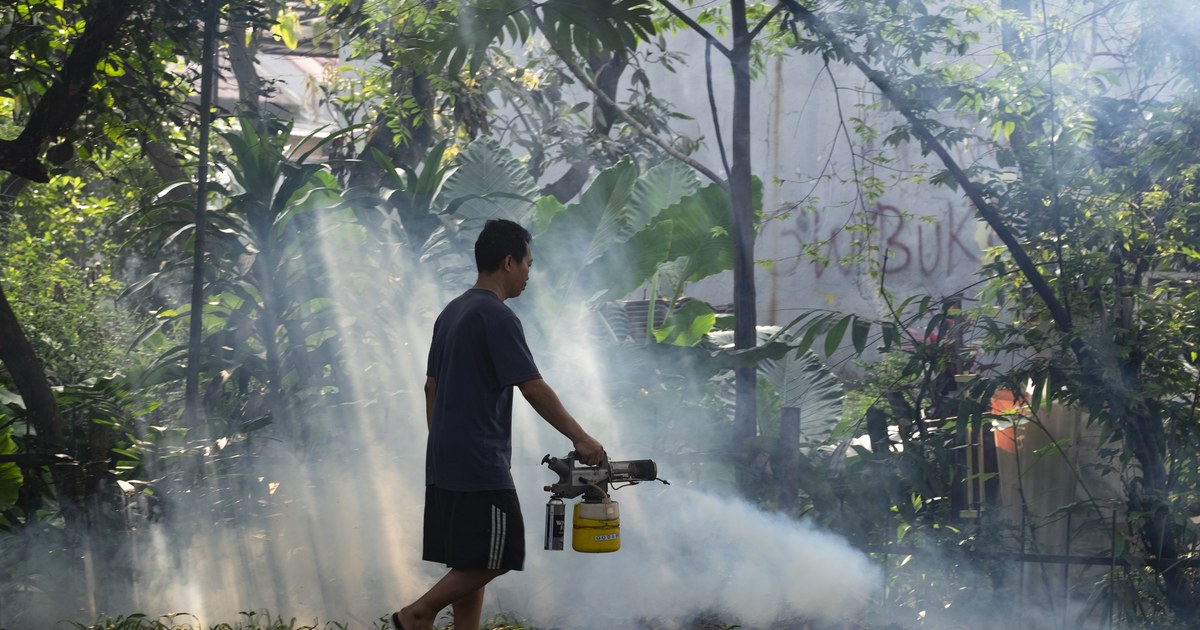
Seven Per Cent: How Climate Change Is Redrawing Indonesia's Disease Map
Read insight →
Warming temperatures are opening new territory to disease-carrying mosquitoes and shifting outbreak seasons away from historic patterns, as Indonesia records nearly 60,000 dengue cases in the first half of 2026 alone.
September 2026 · Ummanitarian Insight
 Disaster Response · Indonesia
Fifty Thousand Feet of Ash: Anak Krakatau's Eruption Reaches Cianjur
Read insight →
Continuous eruption since Friday has pushed volcanic ash across at least six provinces, closed Jakarta's Soekarno-Hatta airport overnight, and dusted Cianjur, where Ummanitarian volunteers are documenting the fallout.
September 2026 · Ummanitarian Insight
 Capacity & Resources · Global
Seventeen Point Eight Million: IOM's 2025 Reach and the Budget That's Contracting
Read insight →
IOM provided humanitarian assistance to 17.8 million people across 170 countries and territories in 2025, shelter for 7.3 million and 4.2 million health consultations, even as global funding contracted and needs reached unprecedented levels.
August 2026 · Ummanitarian Insight
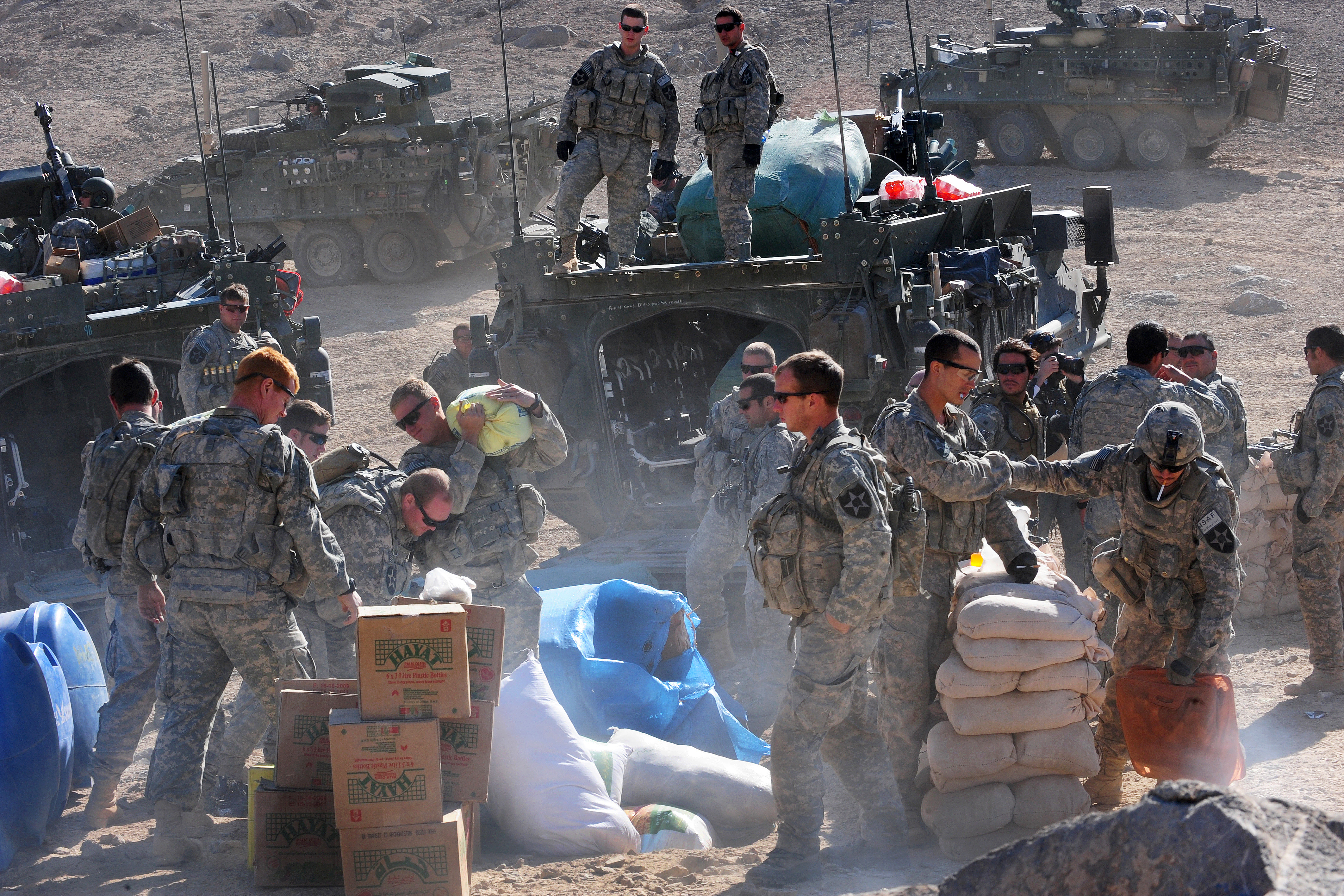 Capacity & Resources · Afghanistan
Twenty-Six Per Cent: Afghanistan's Hunger Is Outrunning Its Funding
Read insight →
A UN-backed assessment finds malnutrition rising across Afghanistan — an estimated 21.9 million people in need — while the country's 2026 Humanitarian Response Plan stands only 26 per cent funded.
August 2026 · Ummanitarian Insight
 Field Ops · Sudan
Sixty-Five Per Cent: Sudan's Kordofan Displacement Surges As Funding Falls Short
Read insight →
New displacement across Sudan's Kordofan region climbed from 132,000 people in February to over 219,000 by late June, IOM reports, as fighting spreads to new towns and donor funding fails to keep pace.
July 2026 · Ummanitarian Insight
About Ummanitarian Insight
This publication shares perspectives from Ummanitarian's advisory network — practitioners, researchers, and policy thinkers working at the intersection of humanitarian action, public health, and disaster preparedness. Our aim is to make serious ideas readable, and field experience useful beyond the field.