 Health & Displacement · Indonesia
Seven Per Cent: How Climate Change Is Redrawing Indonesia's Disease Map
Read insight →
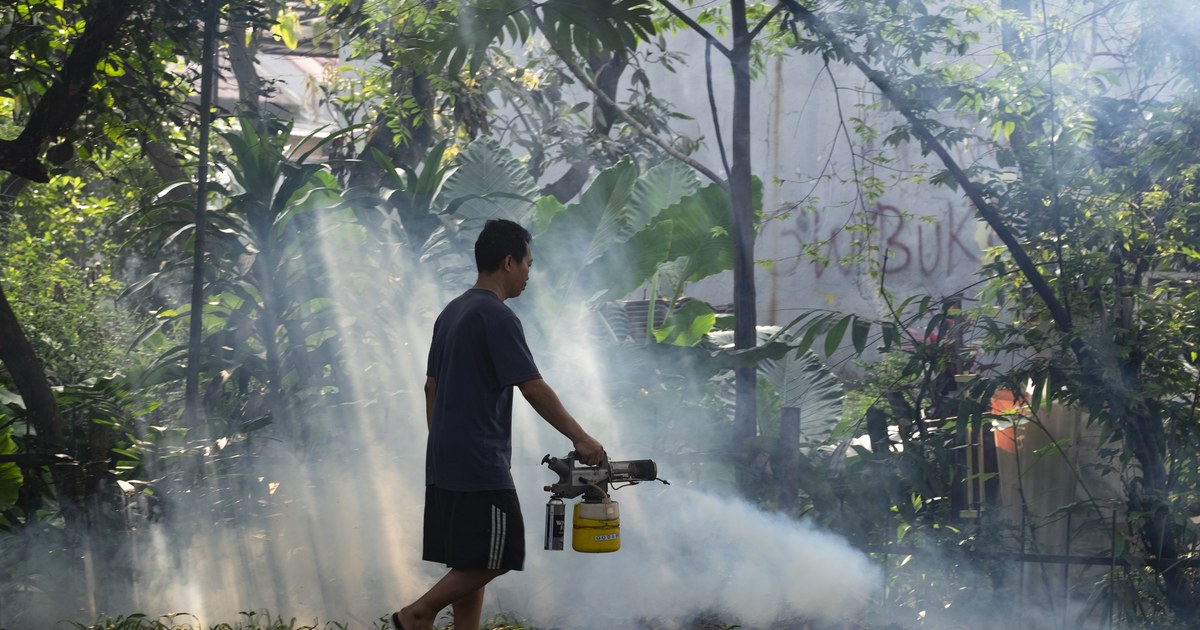
Warming temperatures are opening new territory to disease-carrying mosquitoes and shifting outbreak seasons away from historic patterns, as Indonesia records nearly 60,000 dengue cases in the first half of 2026 alone.
September 2026 · Ummanitarian Insight
 Disaster Response · Indonesia
Fifty Thousand Feet of Ash: Anak Krakatau's Eruption Reaches Cianjur
Read insight →
Continuous eruption since Friday has pushed volcanic ash across at least six provinces, closed Jakarta's Soekarno-Hatta airport overnight, and dusted Cianjur, where Ummanitarian volunteers are documenting the fallout.
September 2026 · Ummanitarian Insight
 Capacity & Resources · Global
Seventeen Point Eight Million: IOM's 2025 Reach and the Budget That's Contracting
Read insight →
IOM provided humanitarian assistance to 17.8 million people across 170 countries and territories in 2025, shelter for 7.3 million and 4.2 million health consultations, even as global funding contracted and needs reached unprecedented levels.
August 2026 · Ummanitarian Insight
 Capacity & Resources · Afghanistan
Twenty-Six Per Cent: Afghanistan's Hunger Is Outrunning Its Funding
Read insight →
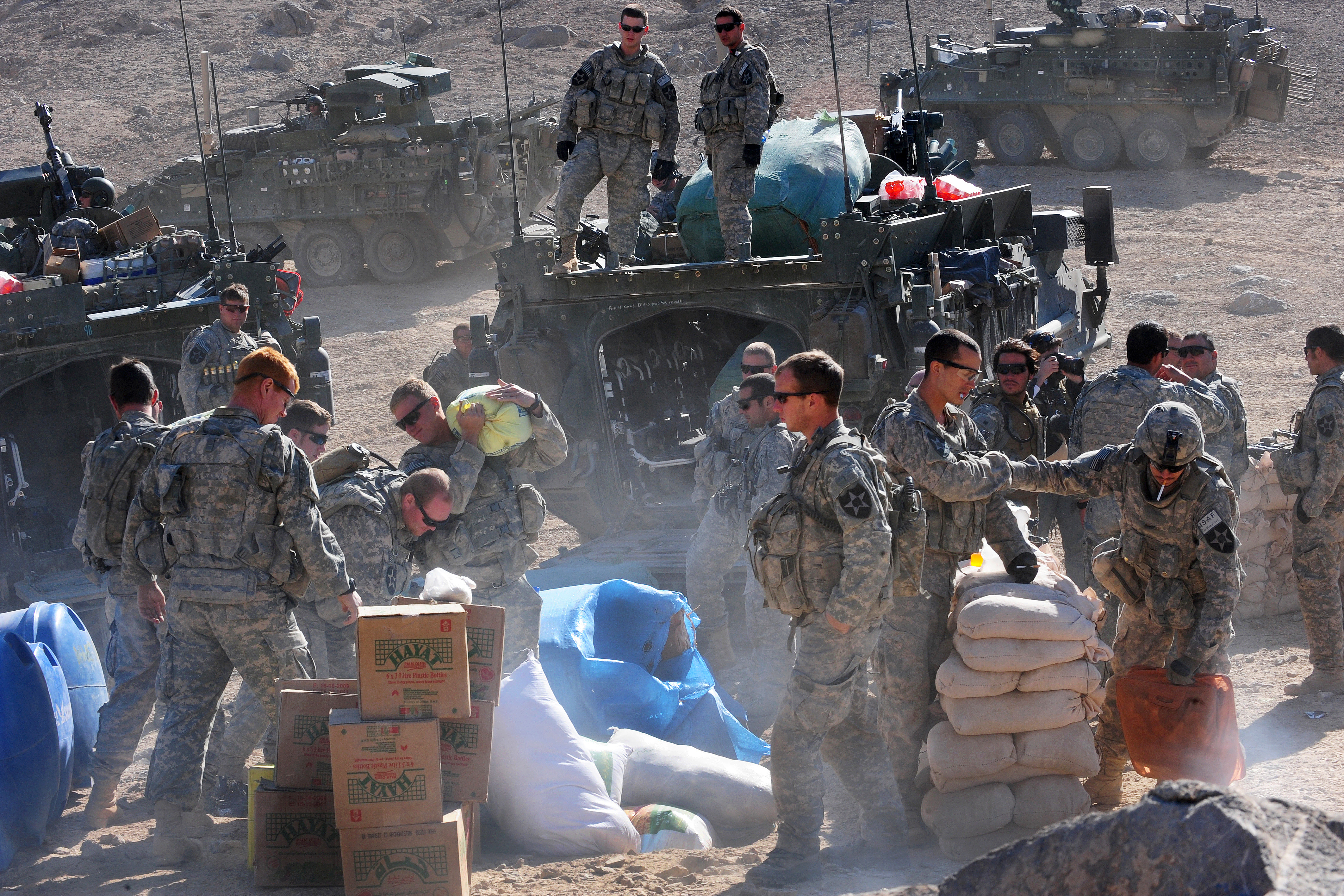
A UN-backed assessment finds malnutrition rising across Afghanistan — an estimated 21.9 million people in need — while the country's 2026 Humanitarian Response Plan stands only 26 per cent funded.
August 2026 · Ummanitarian Insight
 Field Ops · Sudan
Sixty-Five Per Cent: Sudan's Kordofan Displacement Surges As Funding Falls Short
Read insight →
New displacement across Sudan's Kordofan region climbed from 132,000 people in February to over 219,000 by late June, IOM reports, as fighting spreads to new towns and donor funding fails to keep pace.
July 2026 · Ummanitarian Insight
 Law & Politics · West Bank
Seventeen Every Day: West Bank Settler Displacement and the Movement Restrictions That Enable It
Read insight →
Over 3,200 Palestinians have been displaced across the West Bank in 2026 by settler attacks and demolitions — an average of 17 people per day, double the rate of the preceding three years. New humanitarian assessments reveal how movement restrictions and legal barriers have become the infrastructure of an ever-narrowing humanitarian space.
July 2026 · Ummanitarian Insight
 Field Ops · Solomon Islands
595 Households, 14 Organisations: What Cyclone Maila’s Survivors Say About the Response
Read insight →
Three months after Category 5 Cyclone Maila, a Pacific Humanitarian Team analysis compares what 14 organisations claim about their accountability systems with what 595 displaced households actually experienced.
July 2026 · Ummanitarian Insight
 Climate & Environment · Europe
Fewer Than Half Had a Plan: Europe’s Deadly Heatwave and the Preparedness Gap That Widened It
Read insight →
WHO Europe convened an emergency call with 41 member states on July 6 as another heatwave built over the Atlantic. A preliminary model puts the June wave’s excess deaths near 20,400. The sharpest finding: fewer than half of those states had a national heat-health action plan when it arrived.
July 2026 · Ummanitarian Insight
 Health & Displacement · Gaza Strip
Nine Thousand in Two Weeks: Chickenpox and What Displacement Does to Disease in Gaza
Read insight →
When the UN’s Health Cluster raised an alert for a chickenpox surge across Gaza in late June, it was tracking 9,300 cases across more than 130 health facilities in less than two weeks. The disease is not new. The conditions that made it an emergency are.
July 2026 · Ummanitarian Insight
 Health & Displacement · DRC
Forty-Three Per Cent: The Ebola Response Infrastructure That’s Being Dismantled Mid-Outbreak
Read insight →
With 1,561 confirmed cases and 506 deaths across the DRC and Uganda, the largest Bundibugyo epidemic on record is accelerating — precisely as CDC defunding empties the laboratories and contact tracers that stopped sixteen previous outbreaks.
July 2026 · Ummanitarian Insight
About Ummanitarian Insight
This publication shares perspectives from Ummanitarian's advisory network — practitioners, researchers, and policy thinkers working at the intersection of humanitarian action, public health, and disaster preparedness. Our aim is to make serious ideas readable, and field experience useful beyond the field.